Possibly Future Hologram Smartphone Concept


Your future smartphone could be entirely voice activated, displaying your text messages and other info with holograms. At least, that's the idea behind Alo, a new smartphone concept that imagines a touchscreen-less smartphone.

Alo- Created by French designer Jerome Olivet, ditches the typical smartphone display and instead the voice activated phone will project holograms from its camera to show you messages, or let you watch videos.

The core of the device is molded aluminum alloy, the outer shell is a "gelatinous, supple and natural envelope that perfectly fits in your hand.". Alo will come with an AI assistant that will respond to users voice commands and learn each users speach patterns.

Need a smartphone to hold you off until the holographic market takes off? Rent a smartphone today!

FULL STORY

Top 10 Free Software Alternatives


No one likes spending all that money on those high end software's like Microsoft Office, Photoshop and Sony Vegas Pro, unless you have a company buying the licenses for you. Here are some of the best more affordable apps that will help you get the work done.


  1. GIMP (Free, for Windows, macOS, and Linux)
  2. Libre Office (Free, for Windows, macOS, and Linux)
  3. Inkscape (Free, for Windows, macOS, and Linux)
  4. Blender (Free, for Windows, macOS, and Linux)
  5. Avira (Free, for Windows) and Sophos (Free, for macOS)
  6. LMMS/Linux MultiMedia Studio (Free, for Windows, macOS, and Linux)
  7. VirtualBox (Free, for Windows, macOS, and Linux)
  8. DaVinci Resolve (Free, for Windows, and macOS)
  9. Linux (FREE OS)
  10. Google Drive (Free, web based)

New Windows 10 "Game Mode"


PC gamers are by far the most die hard of gamers, yet most deny Windows 10 for a supposed drop in performance compared to Windows 7. However now Microsoft is promising to optimize gameplay with a new "Game Mode" in its new update. Its extremely vauge on details but on a post by the Xbox team, Game Mode will optimize your Windows 10 PC for increased performance in gaming, and thats basically it.

Want to test out Game Mode when it comes out but dont have a PC? Rent one today.

FULL STORY

New Opera Made Web Browser Called Neon


Does your Rented Computer need a  makeover? Well Opera released a new web browser today called Neon that’s meant to try out a bunch of untested design ideas. Neon isn’t close to being ready to replace your main web browser it’s being called a “concept browser” — but it does have some neat ideas that are fun to try out and, in some cases, you can imagine becoming part of a major browser one day.

Neon's homepage looks far different than any other browser's. Although it still has shortcuts to bookmarks and top websites, they are displayed as floating bubbles that are on top of your desktop wallpaper. There is no obvious search engine bar either; there is just a line above all of the floating balls asking you to type something in.


At the point the browser is at now it is too slow and odd to actually become a main browser for most people, but Opera isn't exactly shooting for that. Its real goal is to experiment with new ideas and test new never before seen features. One of the smarter ideas in Neon is built-in support for split-screen browsing. Drag one website’s bubble (its tab) over top of an already open page, and Opera will offer to split your view in two. Their sizes are adjustable, though only one side of the split-screen will respond to other tabs you want to open up — the other side remains more or less fixed.

Visually it is very pleasing. The browser also does away with traditional tabs, replacing them with circular icons on the right hand side of the browser, one for every page you have open. On the left hand side of the browser are a series of browser tools; one for screenshots, another for a gallery containing those screenshots, one for downloads, and finally the most interesting button pulls out an overlay that Opera calls the player. The player collects the songs and videos available to play throughout all of your tabs.

It is now available on macOS and Windows

FULL STORY

10 Things That Must Change About Educators, Education


There are hundreds of things written daily regarding changes, reforms and new research in the profession of education. But much of this comes from outside entities (researchers, politicians, parents, leaders and others) aimed at educators. It’s time for educators to own the changes, thus owning the profession. We need to truly flip the whole concept of what it means to teach and be a true teacher.This can apply to all educators who understand that we have to redefine the profession.
     Here are my 10 things that must change about the profession and the practitioners:


  1. Professionalism - Teachers need to claim and lead the professional standards of their own profession. Just like in the profession of law enforcement, the system cannot tolerate or endure bad professionals. Cops need to police their own and so do teachers. For too long, we have collectively accepted that there are going to be a certain percentage of just plain “bad” teachers. The fact is that they not only harm the profession, they ultimately cheat students. And we should not tolerate that. Unions, tenure, contracts or whatever be damned. And with the teacher shortage at crisis levels, we cannot afford to continue this trend. The millennials will not flock to a profession that tolerates such an ethical divide where some teachers are not there with a moral purpose to help students and treat them well.
Screen Shot 2017-01-02 at 9.10.37 AM.png
  1. Community - Globalism has affected education in many ways. But to be honest, teaching has always been a community-oriented profession. The only way to have impact on students and learning is to be integrated into the community. This is why many teachers choose to coach teams, advise clubs, and lead extra-curricular and co-curricular activities. As teachers, we often complain about not having enough respect professionally from our society. And that is sadly true. But the only way to combat is to be leaders in our communities. This does not mean we cannot have private lives or that we have to live our profession 24/7. But it does mean that we cannot hide. Like we addressed above, we cannot have teachers that show up before school starts and leave when school is out and never engage with their communities. There are dozens of ways to do this and we have to do it in some way.
Screen Shot 2017-01-02 at 9.12.23 AM.png
  1. Innovative / Creative Mindset - Dave Burgess of the Teach Like A Pirate kingdom (http://daveburgess.com/) has often said it best. He says teachers will say it’s easy for him because he’s creative. The truth is, according to Dave, is that one has to work at being creative. It is like everything else - it has to be a focus and on-going effort. We all have different innate talents and abilities, but we can apply them creatively to our profession if it’s a priority. This does not mean we all have to be artists, but it does mean we have to continually re-imagining our instruction, curriculum and profession.
Screen Shot 2017-01-02 at 9.15.55 AM.png
  1. Relationship Masters - Personal friend and Edu Guru Jon Corippo (https://sites.google.com/site/mistercorippo/) said that he always viewed his role as a teacher was to be a “Maker of Kings.” In other words, it was his duty to treat every student with personal attention and take them to their personal optimization. This is only possible if we view ourselves as professionals focused on relationships. Too many teachers either see this as a pesky side note or sadly even irrelevant. Teaching is not primarily about content and curriculum, but it’s about connections. Students want to work for people, not systems. They want to perform for people that care about them and make daily effort to connect with them personally. We should know this because as educators we operate the same way. How to maximize relationships with students needs to be foundational in our teacher education programs and lifelong professional learning.
Screen Shot 2017-01-02 at 9.17.19 AM.png
  1. Advocacy - We can’t leave this to others. We all have to be advocates for all things education - funding, technology, autonomy, professional development, policy and more. But maybe most importantly, we all need to be the ultimate advocates for young people. Too many adults, including many educators, spend way too much time unnecessarily criticizing  and belittling young people. More than anything, students need someone who is consistently going to bat for them. Who better than teachers to serve in that role?
0621_advocacy-800x480.jpg
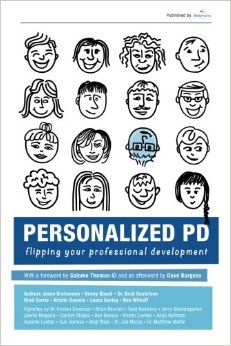
  1. PD Patrons / Promoters / Purveyors - As part of our role as consummate professionals, we need to embrace Professional Development as a universal foundation of education. We cannot preach lifelong learning to students and not live it ourselves. PD cannot be viewed as something that administrators make us attend. It has to be something we take ownership in by leading PD, presenting at conferences, reading professional literature on our own, selecting PD options, partnering with colleagues, requesting more time to develop professionally on our own and so on. Too many educators view Professional Development like too many of our students view school - it’s something that happens to us and not with us. This has to change.
51x78lqlE8L._SY344_BO1,204,203,200_.jpg
  1. Curriculum Curators - The days of being textbook dependent are gone. We cannot be professionals if our curriculum is created by publishers, test makers or corporate entities. We have to own our curriculum which means we all have to individually and collectively be “curriculum folks.” With the world becoming more project-based, along with unlimited resources online, there really is not an excuse not to design curriculum for one’s current students based on their needs, interests, relevance and input. The digital world is our new textbook and it’s unlimited.
21Logo.jpg
  1. Consistent Collaborators - This is not an isolated thing. Indeed, it’s the top skill that employers are looking for in our current students. We have become a truly collaborative universe and we have to work this way - especially in education. The work is too demanding, evolving, specialized, customized and dynamic to work as solo artists. To be brilliant, we need one another. Collaboration can be with our with colleagues at our sites and all over the world thanks to social media. But we also need to view collaboration as beyond our colleagues. We need to collaborate with students, parents, community members, business leaders, politicians, volunteers, experts, professionals and all stakeholders.
Collaboration1.gif
  1. Change Agents - All educators need to begin to view themselves as not captives of change, but masters of it. Change is inherent in learning and we need to model it. We should continually push for experimentation, risk taking, new approaches, new ideas, new skills, new levels of mastery, new models and new design. If we cannot embrace change, we need to get out. If we can, then we need to lead it. With the number of problems, issues and challenges that our students and world face, we have to know that change will be the only constant.


  1. Futurists - Teachers have traditionally had many responsibilities including, but not limited to lesson design, classroom management, assessment, parent communication and many others. However, most teachers have not seen themselves as students of the future. We cannot afford to leave this to the academics and the business leaders. Educators need to understand the quickly changing dynamics of our new globalized economy and digital planet. It’s not enough to know that things are changing, we need to understand why. We need to regularly study the trends, the data and the innovators. Much of the resistance in the teaching ranks towards technology, new standards and things like project-based learning are directly related to a disconnect to what is really transpiring in this new age.


Hope you enjoyed these 10 things that must change about educators and education. As usual, I’m confident the list is not comprehensive or complete. Like everything else, it will have to change.

(photos courtesy of Foter, Pixabay, Pics4Learning)

New "Pixel" OS For PC And Mac Breathes New Life Into Old Computers

Pixel is a lightweight operating system with a clean desktop UI, and is now available for PC or Mac users who might want to throw old hardware into renewed service.The lightweight Linux-based OS now comes as a downloadable image you can either burn to a DVD or load onto a USB drive. That means if you have an old laptop lying around, like an ancient ThinkPad, you could get it going again with a modern OS for basic tasks, including web browsing via Chromium which is pre-installed.It really sounds like a pretty low-risk way to recycle old hardware you might have hanging around. If you experience any problems with the OS contact Computer Service Now for all of your computer service and troubleshooting 

See full story here

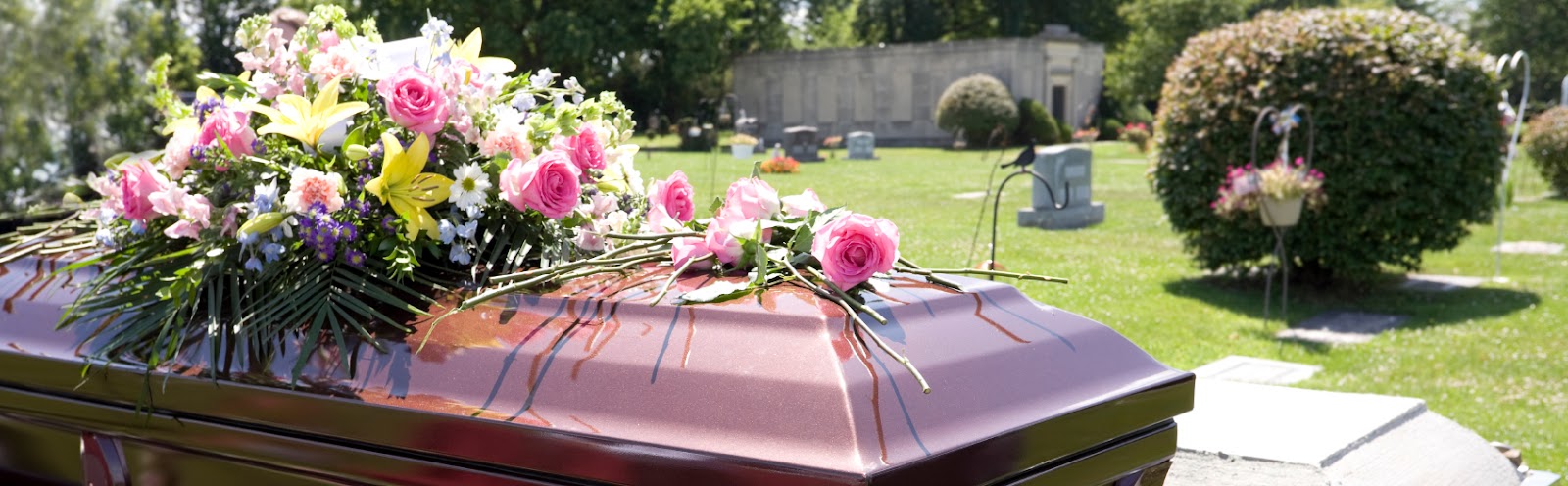
Time For These Seven Edu Funerals

Only in education, do we continue to try to breathe life into things that may never have been successful - and most certainly are not now. These things are so embedded in the culture, frameworks, policies, practice and mindsets of our schools and educational organizations, that many educators just blindly accept them, implement them and perpetuate them…..all regardless of their lack of success. Indeed, there is often overwhelming data or evidence that these things are not only unsuccessful, but often counterproductive.

home-page-casket.jpg

So, let’s have the funeral. Let’s start the fire. Let’s bury these SEVEN forever.
They are:

  • Homework As We Know It. The idea of independent practice as a means of increasing skill mastery sounds appealing and necessary. But homework, as it’s become known, does not do this. Indeed, homework has become mundane and repetitive work not grounded in increasing skill development, but rather compliance. It’s time to re-think the whole thing. Let’s come up with not only a new name, but a whole new approach. Most of us can remember when our work outside of class - homework - became meaningful, successful and relevant. And that’s when we got engaged in a project or deeper learning. We then chose, on our own, to perfect or improve our work.

6360796117322372681476704511_kids-homework-drama-ftr.jpg
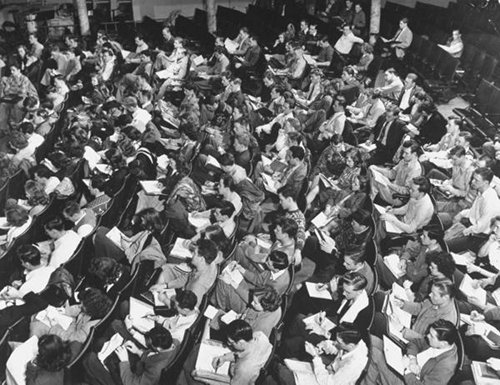
  • Lecturing, Note Taking. It’s long been researched, evaluated and established that this represents the lowest form of learning. Whether we’re using Bloom’s Taxonomy or other models, it is very obvious that we are operating at the ground level of learning if this is what we’re having our students do with any content or information. Students need to apply, inquire, create and be critically engaged with any knowledge in order to not only retain it, but to truly understand it. We know this. We know this. We know this. But still, we ignore it and allow many of our classrooms at both the secondary and post-secondary levels to operate with lecture and note-taking as their primary pedagogical approach to learning.
notetaking.jpg
  • Non-Digital Approaches. I’m not saying that there is still not a place, in some instances, for paper, pen and printed books. However, that being said, our dominant tools and resources should be digital. I’m ashamed that on the eve of 2017, we are still debating or considering anything but digital. All professional work and the entire global economy are digital. Having our students not work primarily in digital formats shortchanges them. Additionally, the resources and applications expand daily and we need to use them to maximize student experiences and opportunities.

binders.jpg
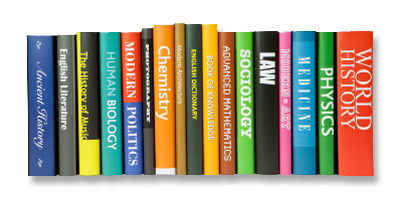
  • Textbooks - Digital or Not.. Since the advent of the internet, we should have abandoned the dependency on a single text. Regardless of subject, there are endless types of reliable, relevant and ever-developing resources. To be critical thinkers and true problems solvers, our students should be seeking the best and brightest information from these sources in all of their academic endeavors. The idea of a textbook, digital or not, is a holdover to outdated curriculum. Single source curriculum is dead. What professional, scientist, inventor, entrepreneur, or researcher would use only one text in their professional environments? The answer is none, especially with the quality and quantity of online resources today.
textbooks.png
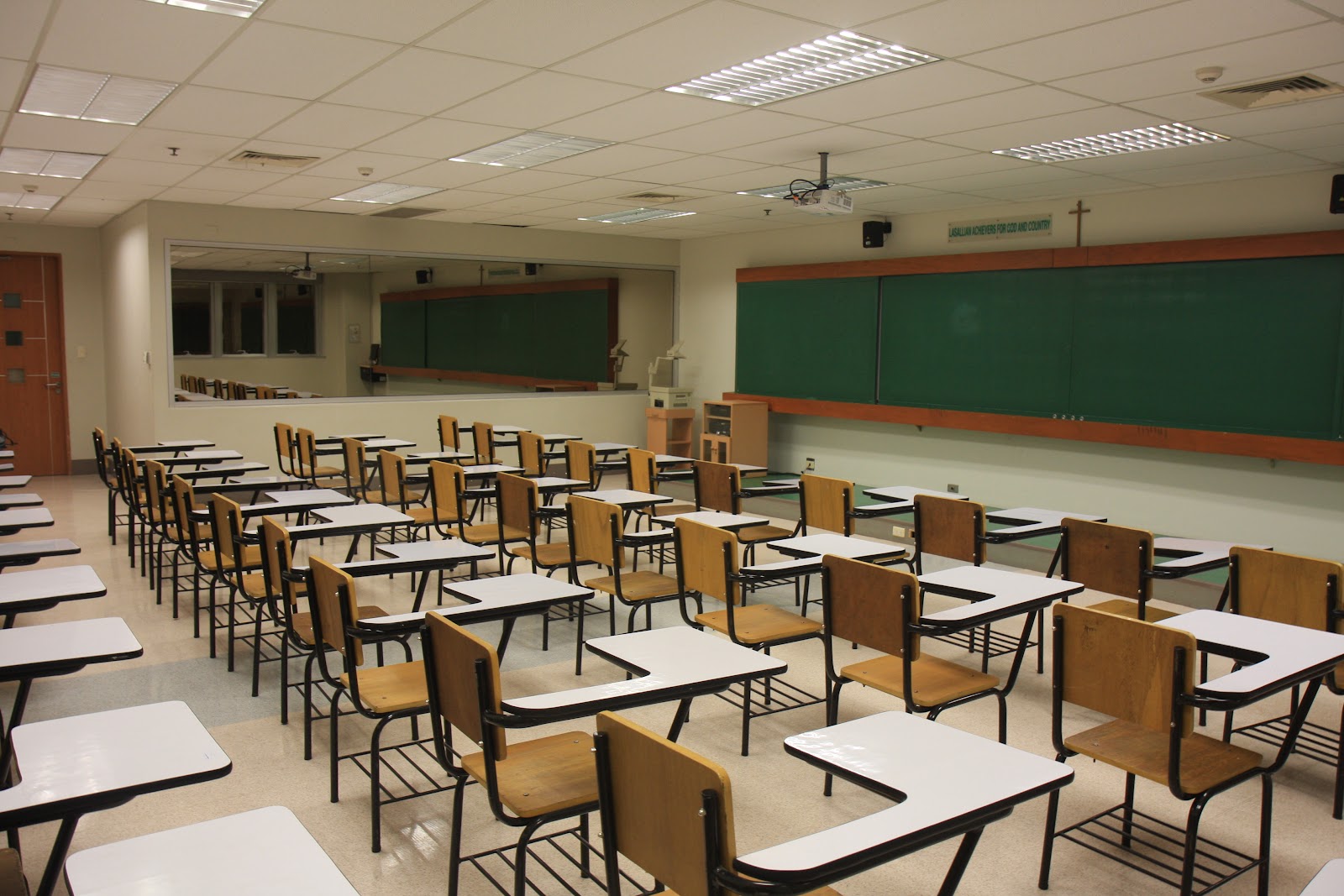
  • Factory-Style Classrooms. Many educators, as well as students, parents, industry professionals and others have long acknowledged that too many of our classrooms still resemble those of the last century, as well as the factory floors that inspired them. It’s not just aesthetics or style, it’s directly related to the instructional models of the past. When we are in seated individually in rows facing the front of the classrooms, the mode of instruction is dominated by lecture pedagogy. Our classroom environments, layout and design need to resemble those that our students need to be successful in a new, more globalized and digital economy. These include, but are not limited to classroom configurations that are collaborative, comfortable, high tech, friendly, warm, inviting, friendly, flexible and ultimately conducive to project-based work.
Andrew_Classroom_De_La_Salle_University.jpeg
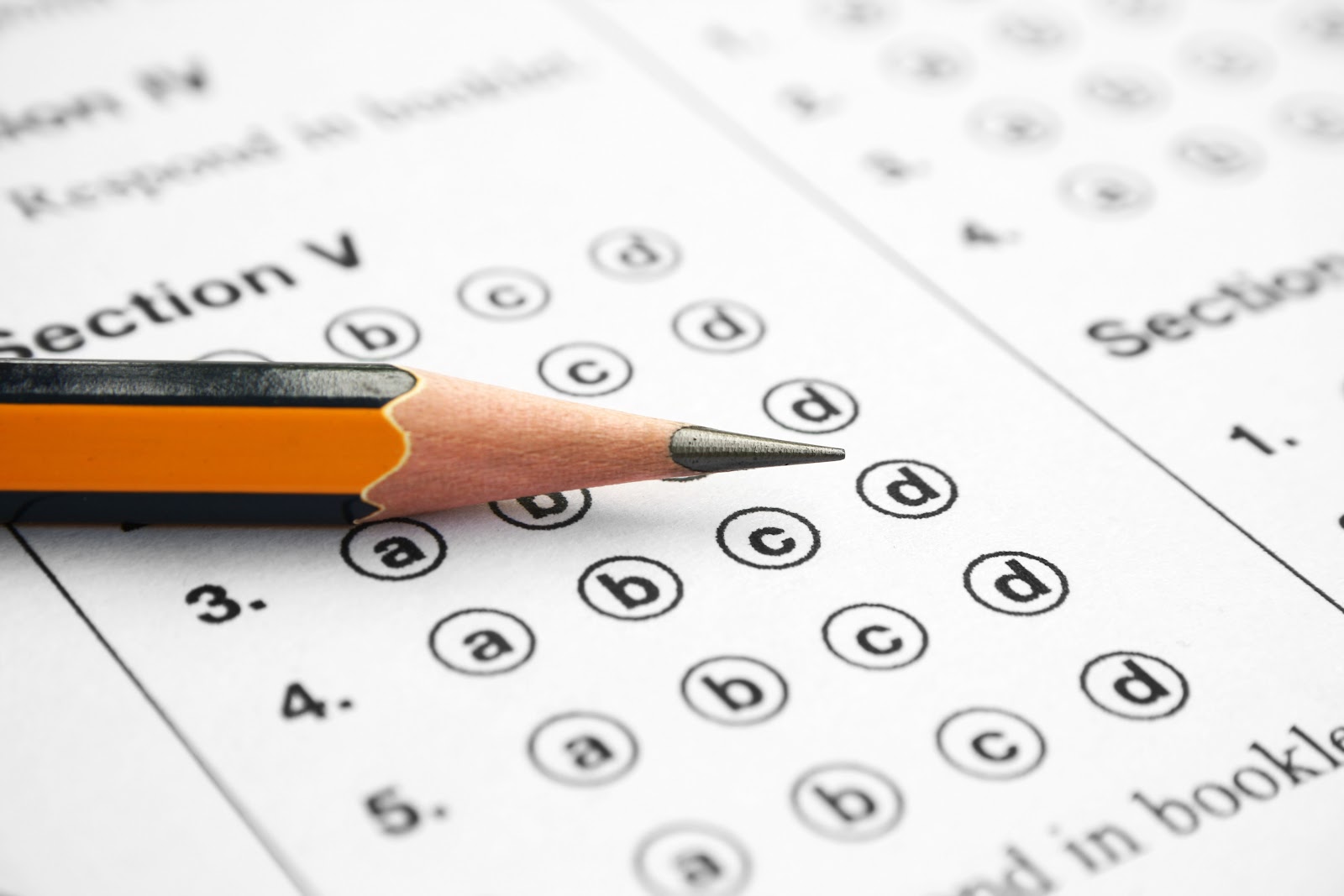
  • Final Exams. I do not mean that we should not have culminating activities or projects that are reflective, summative or comprehensive. But I am talking about the final exam. This is the 100-question multiple choice, short answer traditional final still given in thousands of high school and college courses across the country. They create an environment where students cram in order to regurgitate material versus applying that material in some meaningful way. They were designed with grades, teachers and structure in mind and not learning or students. Our finals need to be presentation type that includes like one’s digital portfolio, defense of learning, showcases & exhibitions, and more.
answer-sheet-with-pencil.jpg
  • Fear & Compliance. Finally, we need an entirely new cultural approach to learning and school. The system that depended on fear and compliance has long worn out its stay. We used to often tell new teachers to “not smile until Christmas” or “don’t be friendly as the students will see that as a sign of weakness.” These are not only archaic, but truly counterproductive to teaching and learning. Teaching and learning are relationship endeavors. Students need and require teachers that are excited, passionate, communicative, flexible, available, caring, creative, innovative and forever working on connecting to their students. Anything less will not produce anything more than sub-par results. Our students need and deserve authenticity versus authority. Current or future teachers not up for being in a relationship business need to find another career. There is no people-oriented pursuit that that of teaching and learning.

teacher.jpg

(Photos courtesy of Foter, Pixabay and Other Public Domain Image Collections)