Four Ways For Educators To Stay Young (Will Work For Non-Educators Too)

Most of us (if you are over 40) are inundated with emails, messages, posts and more related to maintaining what is left of our youth. Almost all of these focus on diet, exercise, supplements or other physiological manipulation.
However, if you are in education, you may be missing the most powerful method of staying young overall - staying connected to young people. Regardless of your job as an educator, of even if you are not an educator at all, here are some easy tips that could make a big difference.


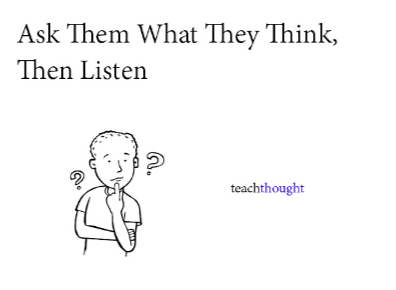
  1. Ask Students What They Think. Seems simple right? But do we realize how little we do this? Students have great ideas about everything, but we rarely consult them. My dominant complaint ever since I became a teacher was how we don’t ask the students what they think. Students have great ideas about everything, but we rarely consult them. This includes about their own learning and education. But regardless of the subject, ask students for their opinion. If you haven’t done this much, it will take awhile for them to believe you actually care and for you to actually hear/listen.
Screen Shot 2016-10-17 at 9.42.22 PM.png
  1. Listen To Their Music. Naturally, most educators, or adults (older people), have different musical tastes in general. My best memory of my late grandfather was that he took interest in my music. When I was a fourteen year old aspiring hard rocker, he made an effort to listen and ask questions. I’m sure he didn’t understand, appreciate or grow accustomed to much of it. But he tried very hard and that’s what mattered. Today’s young people, like all young people ever, use music to comprehend and connect with the world. It’s their identity just like it was ours. If we dismiss their music, we are dismissing them. There has been lots of music my students listened to that I didn’t like or connect with very much. But when I tried harder to listen, and even more importantly to talk to them about it, I learned two things. One, there was always something creative, interesting and relevant in the music. Two, it was the beginning of a further connection between myself and my students.


Screen Shot 2016-10-17 at 9.44.27 PM.png


  1. Spend Time With Them Outside Of Class. I realized early on that it was an honor to just hang out with my students. Yes, we had class time together and even beyond class time (project work, practices, rehearsals, etc.). But what about unstructured time? Good teachers realized long ago that if you open up your room or space at lunch, they will come. I always loved taking students to competitions, conferences or other events because we got to travel and hang together. That’s when you learn a lot about them and who they are. And they are interesting people. There are too many teachers that have never spent a single moment with their students outside of class. There are many ways to do this, but good teachers, especially those that want to be successful (as well as stay young), find ways to not only do this, but maximize this.


Screen Shot 2016-10-17 at 9.53.18 PM.png


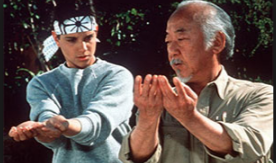
  1. Be A Mentor.  This is not an automatic for all educators. Indeed, many educators never even thought about this element when entering the profession. We have lots of teachers, but fewer mentors. To be a mentor, one has to be interested in the relationship you curate and appreciate with one’s students. More than anything, young people are eternally seeking mentors beyond their families and immediate circles. Your mentoring skills and influences will have more long-term impact than any curriculum. Plus, real learning is reciprocal. When you mentor, you will learn as well. Being a mentor is not about telling students what to do, but rather getting to know them and letting them know you are willing to support them with what they want to do. Finally, those we mentor do not need to be in our classrooms. Mentoring opportunities await all of us - inside and outside of education.

Screen Shot 2016-10-17 at 10.01.46 PM.png

So to wrap up, let’s forget about anti-oxidants, vitamin supplements and yoga. Rather, get to know your students and stay connected to them. Yes, youth is often wasted on the young. But it is also squandered by the old.


*(photos courtesy of Teach Thought, Foter, Image Stock)

21st Century Education Certification Checklist

Ever since the the Partnership for 21st Century Schools (P21) was created, as well as the transition into the new millennium, many schools, districts and educators have bandied about the term “21st Century School” or “21st Century Skills.”
This is done to brand or identify one’s school, district or program as being relevant, current, progressive, future-oriented and more. I know because I’ve done the same thing. I was part of opening a new project-based, high tech high school in 2008 (Minarets HS/Minarets Charter HS) and we used the moniker “A 21st Century School” from day one. Naturally, we believed we were accurate and still do.
I can see the attraction. Afterall, most of our schools are still living in the 20th century attempting to perfect a 19th century model. However, “21st Century” has become cliched and now requires some sort of verification and certification. Who better than me to do that? That’s right, I’ve declared myself the one to create the list to use to certify whether something is 21st century when it comes to education. And in case you haven’t figured it out, many who identify as such will not meet these standards. Here is your 21ST CENTURY EDUCATION CHECKLIST:


21ST CENTURY EDUCATION CERTIFICATION
(You need to meet all of these to be certified 21st Century)


  1. Instructional Foundation is Digital. There are no textbooks.  If you are buying a textbook and using a single source for curriculum in 2016, you should not only re-think your entire approach, but also not be able to use anything that says “21st Century.” This does not mean that teachers and students cannot use books such as novels, non-fiction, etc. - either in print or digital. But it does mean that your classes do not use or rely on one printed, official textbook. If I have to explain this, you are also not 21st Century.
Screen Shot 2016-08-31 at 8.22.32 PM.png


  1. Project-Based is Dominant Pedagogy. You can call it whatever you want - PBL, Place-Based, Challenge-Based, Problem-Based, Design-Based and many others. But the bottom line is that the students, with their teachers’ facilitation, embark on real world educational endeavors that include, but are not limited to student voice and choice, collaboration (peer and professional), community or work-based connections, presentation, publishing, digital portfolios, showcases/exhibitions and more.
Screen Shot 2016-08-31 at 8.24.45 PM.png


  1. Democratization (Student Voice). Students have a voice in all aspects of the school. They have input on their project choices, school governance, school policies, hiring and more. All students should be surveyed about their educational and cultural experiences on a regular basis. Students should be able to voice concerns about all aspects of their educational environment. Students will be represented on all interview panels. Get the idea?
Screen Shot 2016-08-31 at 8.36.39 PM.png


  1. Contemporary School Policies/Procedures. If you can’t fit your rules, expectations, dress code or other on one document equaling a single page, it does not meet the 21st century standard.
Screen Shot 2016-08-31 at 8.27.06 PM.png


  1. Social Media/New Literacies. If you block or ban social media use on campus, you’re out as a 21st century educational entity. Yes, you can have parameters and expectations, but more importantly all teachers and classrooms should model on a regular basis the professional and educational use and application of social media tools. Today and tomorrow’s companies, leaders and professionals will define much of what they do, make, sell, create and design through social media.
Screen Shot 2016-08-31 at 8.21.44 PM.png


  1. Culture of Learning. There is a clear and obvious culture of learning where all of the adults model lifelong learning. They don’t say it but do it. Teachers and staff are actively engaged in their communities and their profession. They are involved in professional reading, writing, blogging, publishing, presenting, speaking or something. If the teachers or leaders disappear over the summer and don’t respond to emails, texts, direct messages or something, then it’s not a 21st century program.
Screen Shot 2016-08-31 at 8.29.08 PM.png


  1. Cell Phones. It’s simple. If you allow them and use them like in professional environments, then you can be 21st century. If you don’t, you’re not. Easy….
Screen Shot 2016-08-31 at 8.31.29 PM.png


  1. Accessability. If students can dialogue and communicate with teachers and staff via text, email, cell, instant messenger or something similar, then you’re good. If not, you’re not 21st century.
Screen Shot 2016-08-31 at 8.34.03 PM.png


  1. Community Connections. This can be done through many vehicles, but is an imperative. For high schools, it can be work-based such as internships, externships, job shadows, professional mentors and more. For all K-12, it can be partnerships with local non-profits, advisory groups, expert presentations in classrooms, project feedback from professionals, solving local needs through client-based relationships and work and more.
Screen Shot 2016-09-05 at 4.35.28 PM.png


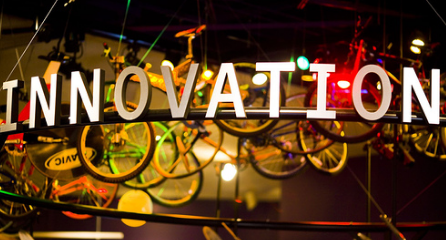
  1. Continuous Innovation. The days of being enamored with tradition are gone. We need to enamored with embracing continuous change through innovation. Our students are entering an economy and world that will continue to go through rapid change. Our only hope to prepare them is to model that for them each and everyday at school. This means that each new year, each new teacher, each new class, each new day and each new project needs to build on the past, but not be satisfied just repeating it. We need to constantly ask large questions and embrace bold possibilities. We need to challenge our educators to get away from lesson and activity design, and rather focus on project design. If so, regardless of the question or challenge, innovation and “new” will always rise to the top.
Screen Shot 2016-09-05 at 4.42.22 PM.png


I’m not going to pretend this certification list is perfect or complete, but we need to collectively develop some common definition of “21 century” in terms of actual implementation and what it looks like. My current estimation is many that are calling themselves “21 century” are not meeting this above standard or even necessarily aware of all of these.
(photos courtesy of Foter, Pixabary)

The New Education Power Standard: BADASS

Our educational system seems to have an obsession with both standards and assessment. And while it is understandable that we try to systematize ways to establish what we learn and how we we evaluate if we learn it, it also seems that our obsession here may also impedes true creativity, innovation and success. It’s with this in mind, that I’d like to establish a new 21st century standard: BADASS.
If we look outside of education, it seems that quality, or even success, are more obvious and accepted on some basic badass qualities. What are they and how can we use them to evaluate the success of our learning and educational endeavors?
Here are five indicators of what one is doing is BADASS? I think if we can agree it’s badass, it’s probably exceeding many standards and regular assessments?
Screen Shot 2016-08-08 at 10.29.50 AM.png
Here you go:


  1. Media Coverage: if an idea, a product or piece of work gets media coverage - whether local, regional, national or international - it seems to have some credibility. One of my colleagues often said that if a project or lesson in school could make the New York Times, would that be the ultimate assessment? We know media coverage can now be accomplished in many ways including social media. But the bottom line is that someone out there in the world with some expertise or credibility in a given arena acknowledges our work. That make it badass.
Screen Shot 2016-08-08 at 10.31.44 AM.png


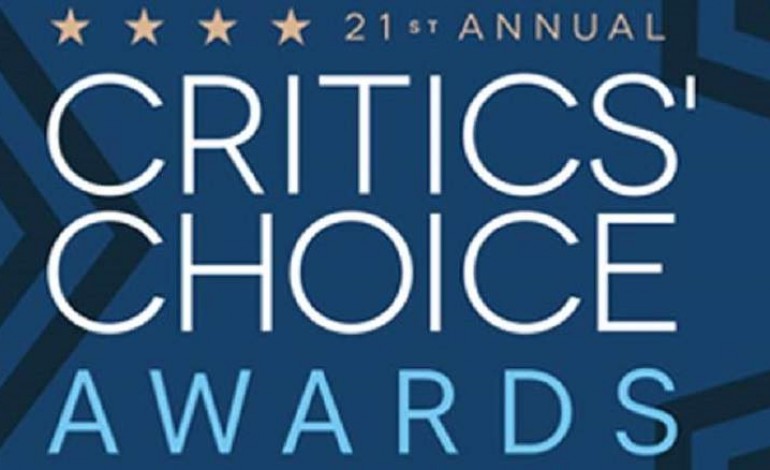
  1. The Critics: Speaking of expertise and credibility, what about a panel of experts evaluating or judging our work? Movies are judged by movie critics, music is judged by music writers, food is judged by foodies and food critics, etc. Why can’t we do that in education? What if teachers and schools brought in panels of experts in the respective areas to evaluate our lessons and projects? Maybe engineers should look at our math lessons and projects. Maybe researchers should look at our students’ work in history. Maybe scientists can come to our science classes? You get the idea. All communities have professionals and many of them would love to be involved in our schools. Maybe they help decide if our learning is relevant and successful. Afterall, they know what’s badass in the real world. For the record, there are already schools doing this in some capacity.
critics.jpg


  1. General Public Acclaim: We also judge success by the number of everyday supporters - whether they are fans, customers or other - who support an idea or project. They do this by purchasing or buying in, but they also do it by writing reviews and liking/following, etc. on social media. When a great video hits YouTube, there is a response. Our lessons and projects can be the same way. If we do something amazing at school, do our parents and community members, as well as students, know it and recognize it? They can do this is many ways, but will only do it when it’s amazing or exceptional. So, if we want to know if our learning and outcomes are exceeding standards and scoring well, why don’t we take a look at our fans in the general public? Chances are the same old work sheet, exam, notes or other will not garner that attention or support. And maybe that’s what we should be aware of responding to.
youtube views.jpg


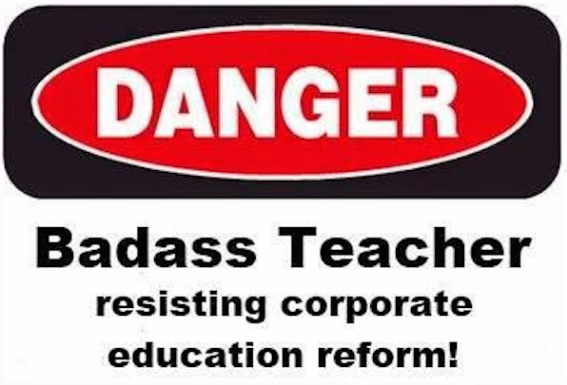
  1. Replication/Duplication: there is an old saying that I won’t repeat. But in business and most of the real world, we can gauge success of an idea often by how many others begin to adopt. Think about new food or restaurant success, it’s almost always replicated by others. When you see one food truck, you usually see many more. You get the idea. So, what if we applied this to education? What if teachers began implementing learning methods and projects based on what they see their colleagues having success in? Seems so simple, but so elusive too. Every school has a handful of really badass teachers, but we often don’t try to replicate them. We often don’t turn to them and challenge one another to do what they do. And these days, one’s colleagues can be on the same site, same district or anywhere in the international education community you want to go online.
copycat.jpg


  1. Students - This is the ultimate badass barometer and the obvious best for last. How often do students come home and rave about their learning? How often do they share publicly on social media that they are excited about their learning and outcomes? Answer is simple: not often enough. Indeed, in many cases never. That’s a problem. Our students should be excited and engaged enough about their learning that they talk about it. Sharing and reflecting on our own learning is evidence of higher levels of learning. As educators, we should care about what our students are saying about their learning and be very concerned if they rarely talk about if at all. It’s easy to compare the difference when someone is truly engaged and when someone is not. Students, like everyone else, know when something is badass. They will let you know. If we don’t hear from them, it’s not badass. It’s that simple. One, we need to ask for their opinion. Two, we need to create something that will elicit a positive one.
raving.JPG


For some, this may seem too simple, vague or non-academic. However, if real world is our barometer, then here is yet another example of education’s disconnect. We have created lots of different standards and ways to assess those standards. But few of them are transformative because few of them, if any, are BADASS.


(images courtesy of Foter, Pixabay)

5 Things Education Can Learn From The Food Truck Phenomenon

(Inspired by a Voxer Discussion with Jon Corippo)


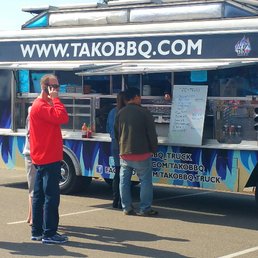
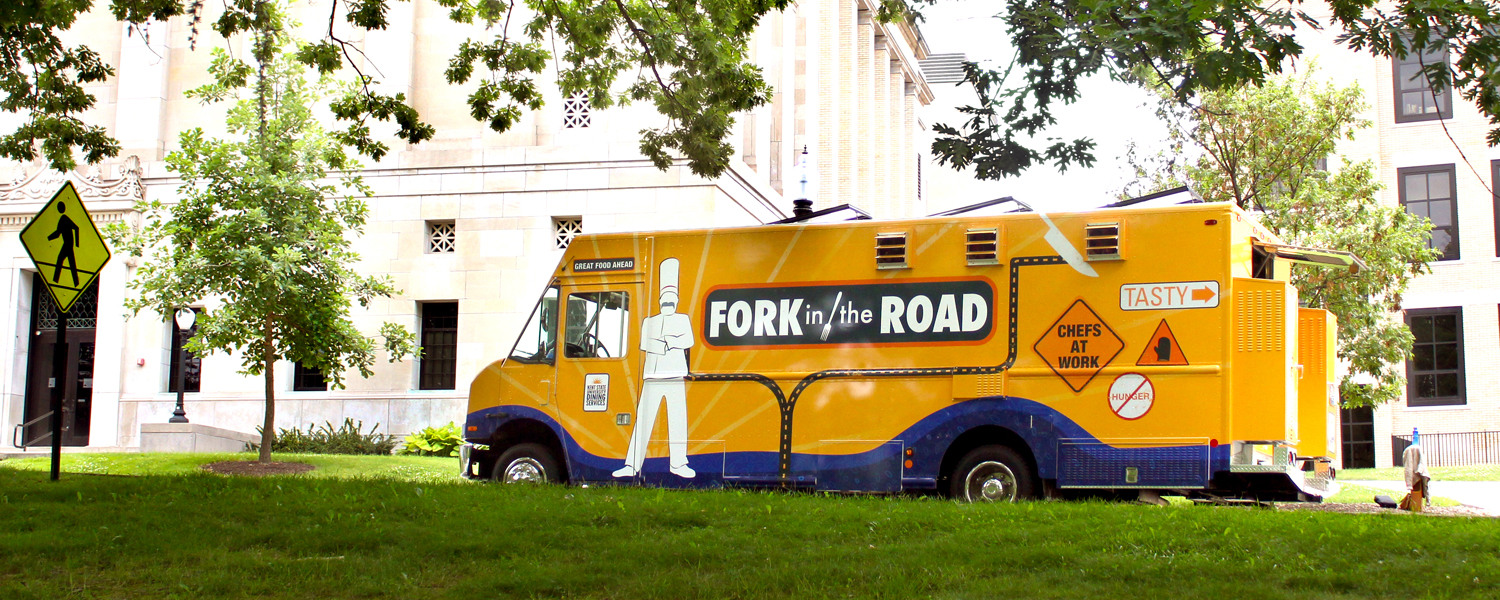
Unless you have been hiding out in the remote hills of the Appalachians or something, you have probably noticed the onslaught and popularity of food trucks over the last several years. Food Trucks and Mobile Food are some of the hottest things in dining. Although street food is anything but new, almost every suburban and metropolitan area now has a plethora of food trucks serving everything from fusion to comfort food - and everything in between.
food truck 4.jpg
In my own town, we have several special events based on food trucks as well as several new bars or pubs that allow food trucks to serve as their mobile kitchen. And even though they are using a familiar idea, why have food trucks become so popular? And better yet, what could schools and educators learn from the phenomenon?


tako.jpg
  1. Simplicity: Since Food Trucks are not large, they tend to simplify their menus. They can’t be one of those food vendors (like too many restaurants) that try to prepare, sell and offer an unending list of seemingly unrelated foods. They have a handful of menu items and people flock to them for those. Their simple menu leads to simple quality. Schools have long suffered from trying to do - or offer - too many things. Most schools have dozens and dozens of programs, initiatives and plans all trying to address hundreds of standards, needs and goals. If schools could focus - or simplify if you will - they might find their schools tastier (and maybe more successful).
food truck 5.jpg
  1. Specialization: Along the lines of simplification, there is specialization. Food Vendors, and Schools, cannot be good at everything. All of us need to figure out what we do best and then just do that. What is attractive about Charter Schools is that they tend to have a focus or specialization. They don’t do everything, but get very good at something. When we visit a food truck, we know that they have a specialty and are seeking them for that. Too many of our schools are not known for being really good at something or being the best at anything. And most schools cannot since they don’t specialize - they generalize.
food truck 6.jpg
  1. Social / Fun: Most of us that visit food trucks could also visit a restaurant just as easily. However, we are opting for the food truck experience - not just because it’s potentially convenient, but also it seems fun. We tend to be in a fun environment focused on socializing or special events, rather than just eating. Food trucks bring the fun. Schools need to do the same. Most food trucks are not boring. Too many schools are. Food tastes better when we’re having fun. We also learn at higher levels when we’re having fun.


food truck 2.jpg
  1. Mobile / Flexible: The obvious big advantage that food trucks have over brick and mortar restaurants is their mobility. They can come to the customers. Whether it’s a concert, a pub, a special event, a game, etc. - they can bring their unique food offerings to your activity. This allows the customer to enjoy their food in many different and unique environments. Schools and educators could learn a great deal from this. Where can we have learners experience their learning.? How many other environments are more conducive or authentic for learning beyond the classroom? Think field trips and beyond such as community locations, industry locations, field study, internships, externships, work-based learning and more. But even simple things such as changing the location from inside to outside can make a difference. And with technology, we now have the ability to have our students access our curriculum and programs at home, with video, at different times and more. We can create flexible and individual environments, assessments and projects.
food truck 7.jpg
  1. Make It An Experience: More than anything, we are all looking for an experience. Almost everything we enjoy is about the place, the people and the unique moment. Because food trucks tend to be simple, specialized, social, fun, flexible and mobile, they create a unique experience each time. This is what is missing all too often in schools. Students are not having unique or special experiences. Learning should be just that - an experience. If we don’t shoot for that each and everyday, then our education risks become fleeting, meaningless and disconnected. If most of us reflect upon our most impactful learning moments, we would identify them as experiences. We remember them and their impact because someone made it an experience.
food truck 3.jpg

So next time you’re eating at your favorite food truck, and/or at a school, ask yourself what could they have in common? Let’s see if our school menus - what we learn - can look and feel more like the food truck phenomenon.

20 Ways To Showcase, Exhibit Student Work

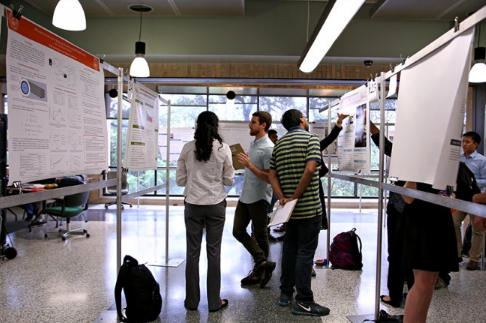
One of the tenets of project-based learning, as well as preparing students to work in 21st century environments, is that student work is public. Students need to have their work assessed, critiqued, evaluated, appreciated and experienced by others beyond their teacher. Student work needs to be seen by as many people as possible including, but not limited to teachers, peers, school leaders, parents, business partners, community members, specific career professionals and experts. This is predicated on core concepts related to relevance, engagement, skill development and student ownership. The more we showcase and exhibit student work, the more students care about producing high quality work. If one is wondering about all of the ways to get student work to be public, here is an attempt to create a list:

Screen Shot 2016-06-25 at 1.53.45 PM.png


  1. School can host a public student showcase or exhibition focused on student work.
  2. A teacher can host a public student showcase or exhibition focused on student work for his or her class.
  3. A school district can host a public student showcase or exhibition focused on student work for his or her class.
  4. Schools can feature student work at any or all school events (sports events, open houses, back-to-school nights, meetings, fundraisers, etc.).
  5. Schools can share student projects on school website.
  6. Teachers can share student projects on teacher website.
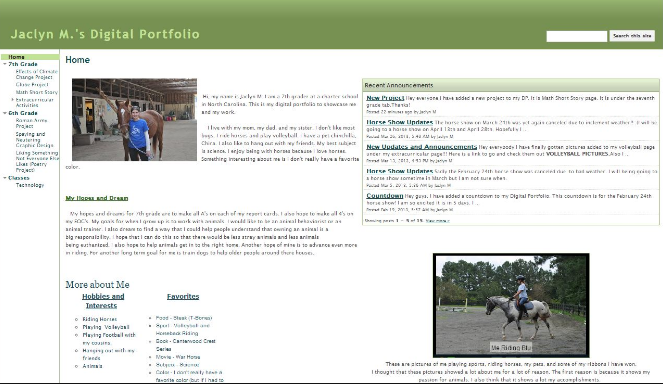
  7. Students can share their projects on their own websites - i.e. developing digital portfolios.
  8. Schools can share student projects on their social media (Facebook Twitter, Instagram, YouTube and many others).
  9. Teachers can share student projects on their class and personal social media accounts.
  10. Students can feature their own projects on their own social media accounts.
  11. Students can present work at school board meetings.
  12. Students can present work at city council meetings.
  13. Students can present work at professional gatherings and business events.
  14. Teachers/Schools can invite community members to classes or events for student presentations.
  15. Teachers/Schools can bring in professionals related to student work areas for presentations.
  16. Teachers/Schools can facilitate students entering contests or competitions (thousands of online contests exist in areas such as art, writing, video, digital work, design and much more).
  17. Teachers/Schools can bring classrooms together for presentations and exhibitions of student work.
  18. Students, teachers, school leaders and school district officials can share student work with local media outlets.
  19. See if local businesses have need or applications for any of the student projects or services that students can offer.
  20. Teachers/Schools can ask students for other ways to share and showcase their work.

Screen Shot 2016-06-29 at 9.44.18 AM.png


Naturally, there are probably way more than 20 ways to exhibit, showcase and feature student work. If teachers and schools focus on this as a priority, they can, along with students, continually evolve new ways to maximize one’s community and technology in order to get all student work public.

Windows 10 Spying Concerns: Are They Still Viable?

When Windows 10 first launched many users quick to flock to the new operating system as they were in a hurry to get away from Windows 8. However, a lot of those users became unsure of Windows 10 when reports started coming in that the operating system was practically spying on everything you did. Some of the reports were completely false while others held some truth but were completely blown out of proportion. With the operating system now available for over 8 months, it's time to take a look at all the concerns people had and whether or not those worries are still relevant today.

Read more about this topic on the ComputerServiceNow Blog!